A reflection on what has changed in Singapore's Facilities Management sector, and what hasn't
When you see someone every day, you don't notice them gaining weight. You only notice when you bump into them after a long stretch apart, and the change hits you all at once. I think that is what fifteen years inside an industry does to you. The transformation happens around you, slowly, and you mistake it for stillness because you have been moving with it the whole time.
I started in Facilities Management (FM) in the mid-2010s. I sat down recently and tried to picture what an FM contract looked like back then, what the conversations sounded like, who was in the room and what they argued about. The longer I thought about it, the less recognisable the past became. The work I do today and the work I did then are technically the same profession. In almost every other respect, they are different jobs.
Outcome-Based Contracting (OBC)
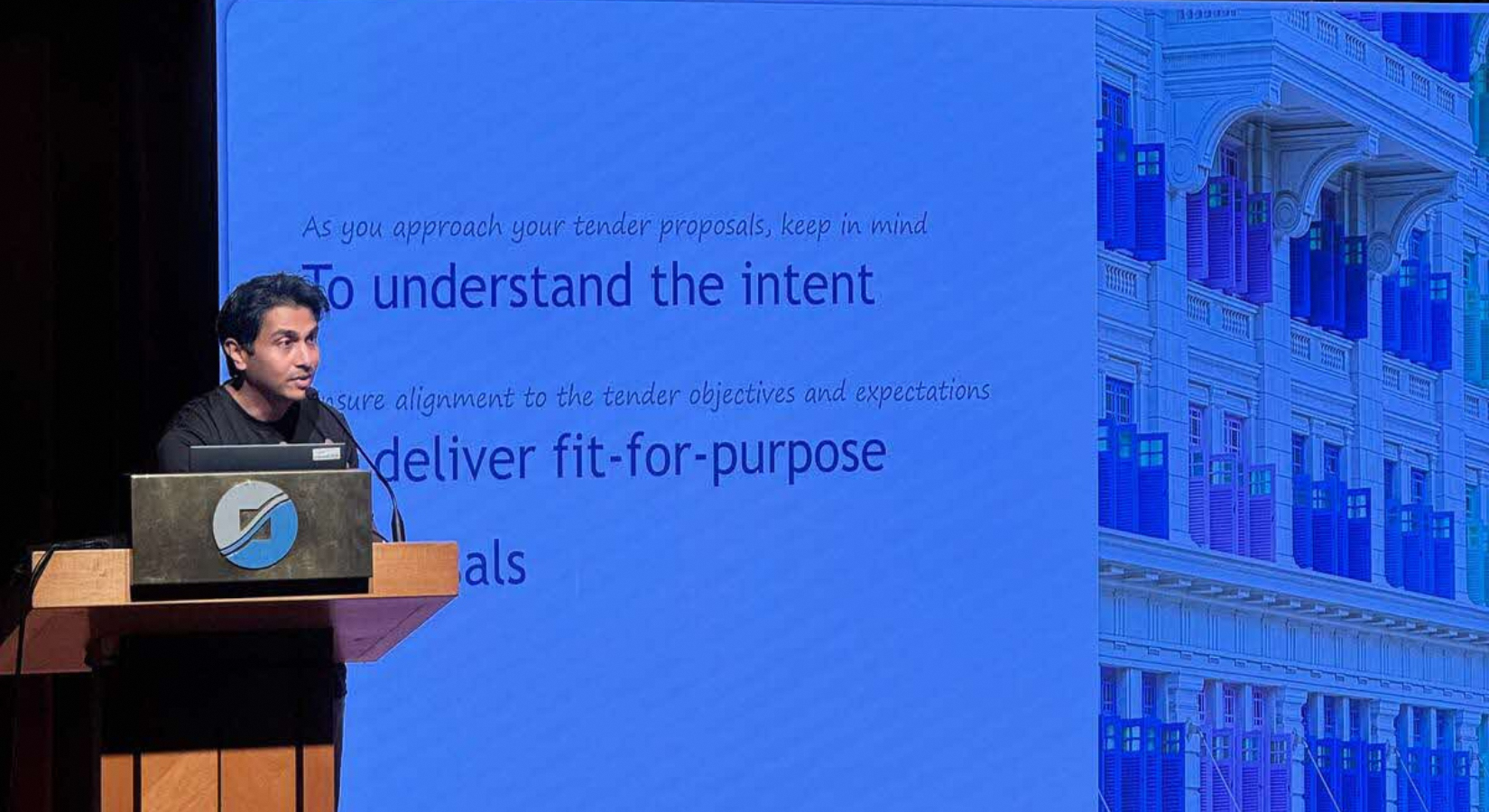
When I first encountered OBC, I genuinely thought the whole thing was about removing headcount specifications and frequency tables from the contract. Stop telling the contractor how many cleaners to deploy or how many times a month to inspect a chiller. Let them figure it out. I thought that was the reform.
I was wrong. OBC turned out to be far more demanding than that. It is a complete rethinking of the performance management framework, the incentive structure, the way risk gets shared, the language used to describe success, the kind of conversations a contract administrator has with the service partner over the life of the contract. The version of OBC I work with today is barely related to the version I thought I understood when I started. The framework has matured. So has my understanding of it. I am not sure which one led the other.
Evolving Facilities Management vocabulary
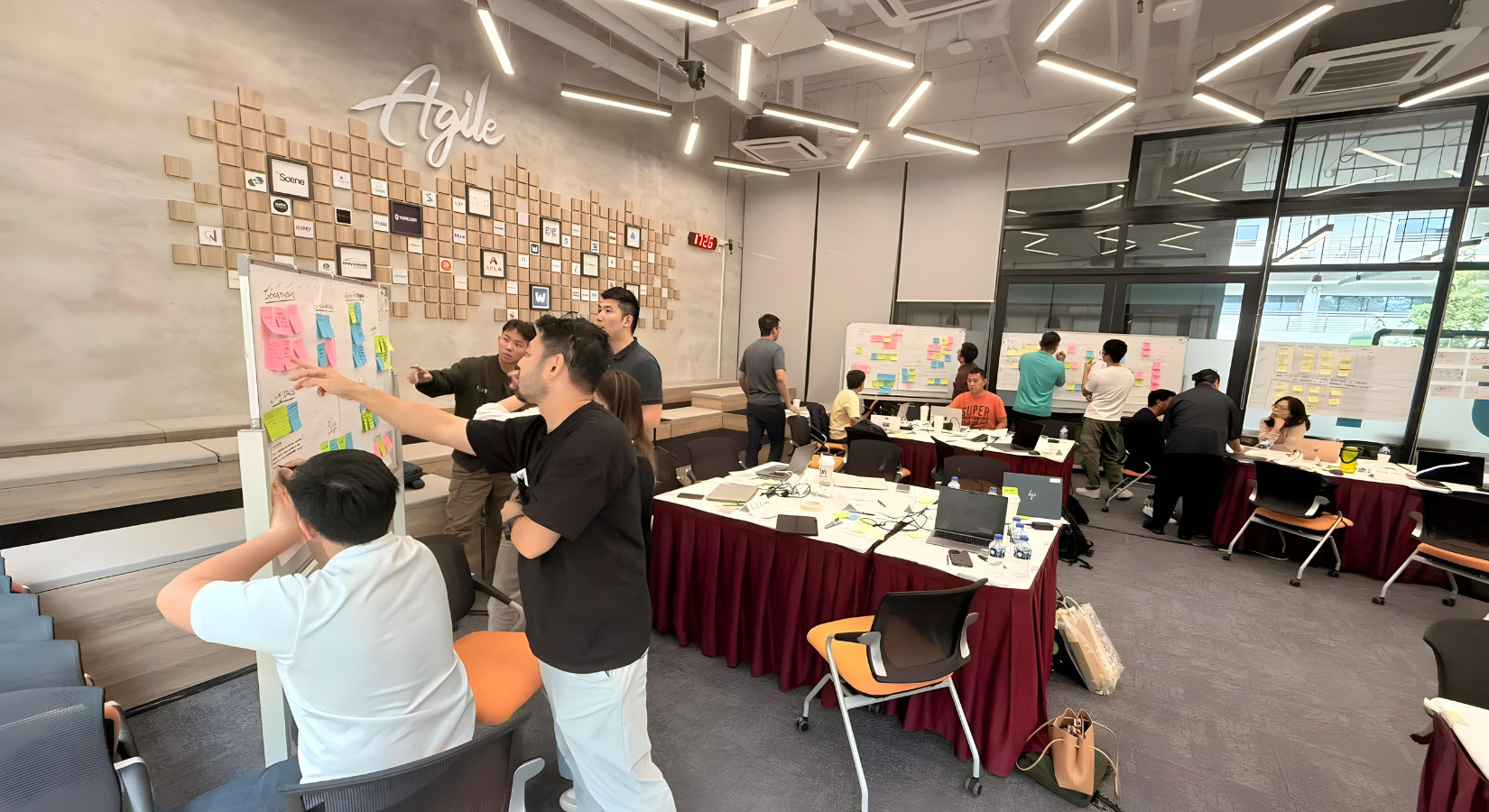
Language is another quiet measure of how far things have moved. Some terms have entered the FM vocabulary in the last decade and quietly become standard. Use case is one. We didn't talk about use cases in FM ten years ago. We talked about scope of work. The shift from scope to use case is small in syllables and large in meaning. One describes a deliverable. The other describes a problem worth solving.
Some terms have receded. Liquidated damages used to dominate every contract negotiation I sat in. The instinct then was to build the deterrent into the document and trust that the contractor would behave because the financial penalty was sharp enough. Today, LDs are still there, but they are no longer the centre of gravity. The conversation has moved towards incentives, shared outcomes, and how to design the relationship so that both sides are pulling in the same direction. The instrument changed because the underlying philosophy changed.
Growing Partnerships
That philosophical shift is the change I find most striking, looking back. When I started, the procurer-vendor relationship was unambiguous. The procurer paid. The vendor performed. The boundary between the two was the entire point. You protected your position. They protected theirs. Both sides came to the table assuming the other would extract value if given the opening.
I no longer think that model works. It produces compliance, not performance. It manages risk through distance instead of through trust, and it leaves enormous value on the table. The work I find most rewarding now sits in the opposite direction, in arrangements where procurer and partner co-discover what good looks like, co-own the outcomes, and build the kind of operating environment where behaviour aligns with intent because the incentives were designed properly, not because someone is being watched. That shift, from transaction to partnership, is the most important change I have witnessed in fifteen years. It did not happen because anyone announced it. It happened because enough practitioners, on both sides, decided the old game was not worth playing.
So, FM has changed. The contracts have changed. The language has changed. The relationship between procurer and partner has changed. The sector now sits inside conversations about energy strategy, sustainability targets, productivity, and resilience, in ways that would have been unimaginable to me at the start of my career.
There is one part of this story still being written.
The one thing I hope to see change is how young people view FM as a career. The new joiners I work with are good, many of them excellent. However, there are simply not enough of them yet. Fewer students are choosing FM, and I understand why. From the outside, it is easy to miss how much the work has grown, and how much it now shapes the way our buildings, our estates, and our country actually run.
This is starting to shift. JTC has worked with several Institutes of Higher Learning to curate dedicated masterclasses for FM practitioners, with seven thematic programmes now in place. It is one signal among others that the sector is beginning to invest in its people with real intent.
What I hope for is simple. That more young people come to see FM the way I have come to see it, and the way a city like ours genuinely needs it to be seen. As work that matters, done well, by people who chose it on purpose.
This is the question I sit with as I close this chapter and prepare for the next one. Everything around FM has evolved. The function we hand to the next generation of practitioners is more demanding, more consequential, and more interesting than the one I inherited. The people we are handing it to deserve to be told that clearly. They deserve to know that this work matters, that it has changed, and that it will keep changing.
That is the work I want to keep doing, in whatever role I find myself in. To use whatever voice I have to demystify what FM actually is, what it actually contributes, and what it actually offers to anyone willing to take it seriously as a career.
The rest of the noticing can wait. This part cannot.
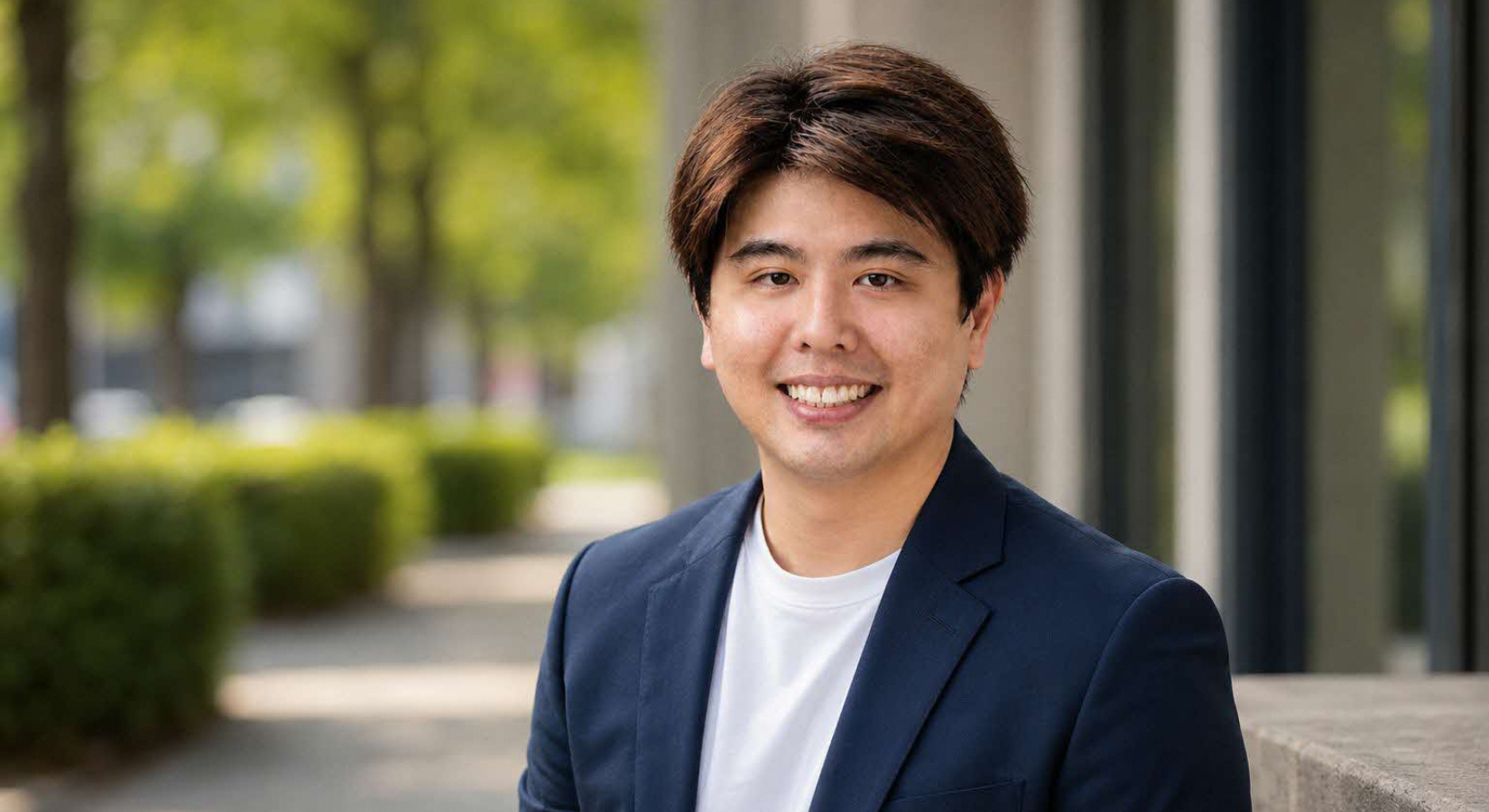
About Jake Chia
Jake Chia is a Deputy Director at JTC and has spent more than a decade overseeing Facilities Management (FM) procurement, planning, and operations across both public and private sectors. Over the years, he has led major procurement and transformation projects, including Whole of Government FM initiatives, FM transformation implementation, and the development of national guides that shape how agencies approach FM today.
His work spans strategic planning, contract redesign, performance frameworks, and data-driven decision making. Drawing from experience across diverse portfolios, from industrial estates to community facilities and large operational contracts, Jake believes that strong FM systems begins with clear intent and ends with better outcomes for users on the ground. He continues to advocate for practical, sustainable, and forward-looking FM practices that strengthen Singapore’s built environment.