6 steps for an effective Facilities Management procurement process
Jake Chia is a Deputy Director at JTC and has spent more than a decade overseeing Facilities Management (FM) procurement, planning, and operations across both public and private sectors. Over the years, he has led major procurement and transformation projects, including Whole of Government FM initiatives, FM transformation implementation, and the development of national guides that shape how agencies approach FM today.
His work spans strategic planning, contract redesign, performance frameworks, and data-driven decision making. Drawing from experience across diverse portfolios, from industrial estates to community facilities and large operational contracts, Jake believes that strong FM systems begins with clear intent and ends with better outcomes for users on the ground. He continues to advocate for practical, sustainable, and forward-looking FM practices that strengthen Singapore’s built environment.
What is Facilities Management (FM)?
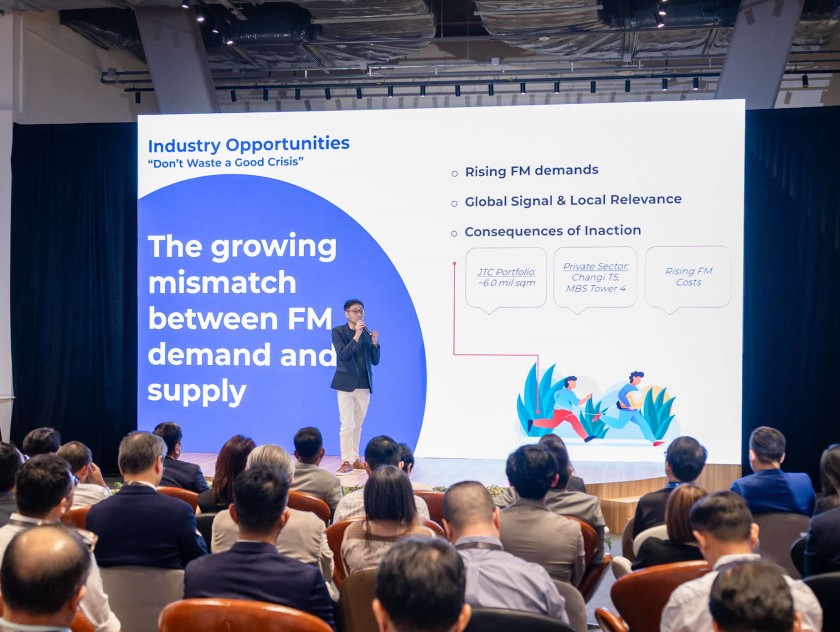
FM sits quietly at the heart of how our built environment performs. Yet as assets grow more complex and expectations rise, the way we procure FM services often determines whether outcomes succeed or fail. Many challenges in FM stem not from faults but from the design of the procurement process itself. When the contract structure, requirements or performance matrix are unclear, progressive service partners may struggle to perform, and costs can rise unnecessarily.
Across Singapore, FM contracts have expanded in size and scope. Procurers now manage portfolios that include offices, industrial estates, community facilities, infrastructure, and more. Each site brings its own operating realities and risk exposures. If procurement strategies remain static, they can no longer serve these evolving needs. A forward approach must balance prudence with flexibility, ensuring that FM continues to deliver value over the life of the asset.
FM is ultimately about managing risk. Yet in the absence of clarity, risk premiums get built into bids and prices rise. FM officers often face the difficult task of protecting service quality while keeping budgets under control. Service partners, in turn, must second guess what the client values most. When intent is unclear, both sides spend effort on protection rather than partnership.
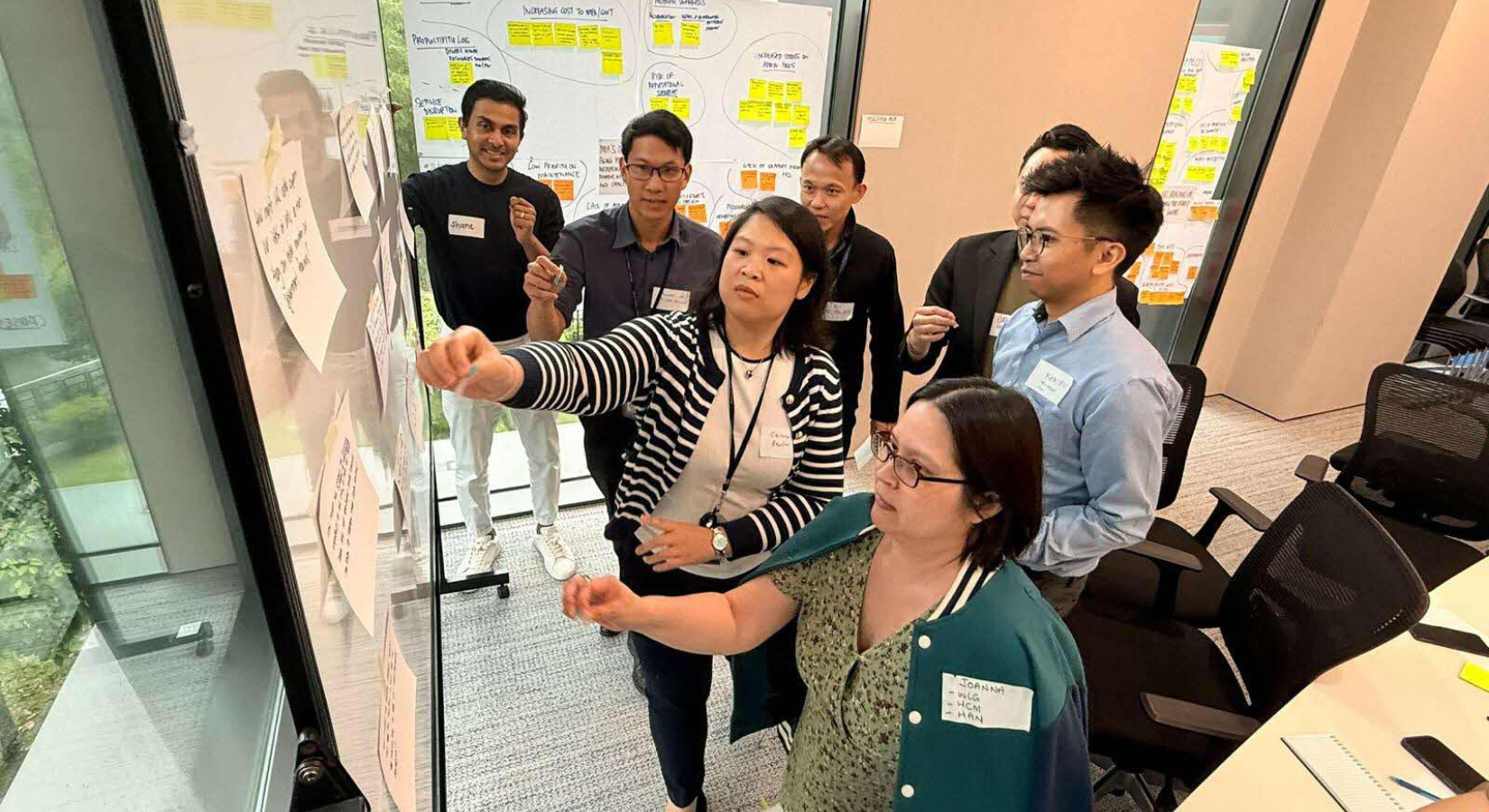
Experience shows that good procurement begins with purpose. The following 6 elements capture what has worked in practice and what continues to shape Singapore’s FM approach. They form the first part of a broader effort to strengthen FM systems across procurement, operations, workforce, and partnerships.
1. Identify key objectives
Every procurement exercise should begin with a clear understanding of desired outcomes. This starts with a current state assessment to establish the operational baseline. In practice, it means studying key FM data points such as feedback by trade (e.g., cleaning, pest control, ACMV, etc.), breakdown rate, work order volumes, system uptime and downtime, utility consumption trends, or customer satisfaction scores. These metrics provide an objective view of how facilities are performing today and where improvement is needed. By grounding the process in data, procurers can define business objectives that reflect real operating conditions and then align them with the most suitable procurement model.
If long-term cost sustainability is important, a glide path model can be effective. This model encourages the industry to rethink FM ecosystems (i.e. process redesign, technology adoption, and supply chain management) and focus on ways to manage resources sustainably and efficiently.
Taking the time at the start to define the problem clearly helps avoid future complications and ensures the procurement process runs more smoothly. Frameworks such as LUMA can be useful here, especially tools that map stakeholders and clarify problem statements.
2. Get requirements right
A lack of clarity in requirements can lead to inflated tender prices. For instance, when penalties or service levels in a contract are ambiguous, tenderers often include a risk premium, which artificially raises costs. Similarly, overly stringent maintenance frequencies or standards that do not reflect actual operating needs will result in unnecessarily high bids or worst, wrong resource allocation.
To avoid this, procurers must thoroughly understand the cost implications of every requirement and make deliberate trade-offs between desired outcomes and cost-effectiveness. Getting the requirements right means establishing a shared understanding of what success looks like, ensuring that both the client and service provider are aligned from the start.
This clarity should be established early and ensure that your team understands the contract’s intent fully. Focus on creating outcome-based specifications instead of overly prescriptive ones, which allows flexibility while still meeting the objectives.
3. Enhance competition
Being fair, open, and competitive are essential prerequisites for any FM services tender. However, these qualities alone are often insufficient to ensure the selection of the best service partner. It is important for the tender evaluation matrix to distinguish between progressive proposals and average ones. For example, rather than simply evaluating tenderers based on the number of relevant projects they have completed, a more effective evaluation model should assess the true performance of these projects, such as through surveys. This ensures that no "free points" are awarded, resulting in a more focused and targeted evaluation process.
Additionally, tenderers often have to second guess the true intentions of public agencies due to the typically short tender periods, which leave little room for meaningful gap analysis. To improve this process, procurers should enhance transparency by sharing key information, such as historical cost data, constraints, and purchase order trends. This transparency provides clarity to tenderers, ensuring that their submissions are more aligned with the agency's needs and better suited to the intended purpose.
While this does not mean that vendors should have unlimited access to procurer data or vice versa, it does mean that the procurer and its service providers should share relevant data. This collaborative approach would ensure that both parties’ function more effectively and quickly to resolve challenges and achieve key targets.
4. Create shared-outcome environment
The most durable partnerships align stakeholders’ goals. Make what is important to you important to your partners. A well-designed incentive structure ensures that all parties aim for the same targets.
For example, if environmental sustainability is a priority, rewards tied to actual energy or water savings can drive real impact. However, incentives must be calibrated so that rewards do not exceed savings.
A good practice is to run simulations once the performance framework is designed. This ensures that the incentives are balanced, neither too strict to cause failure nor too relaxed to encourage complacency. Most importantly, it helps accurately translate strategic goals into measurable actions, aligning both parties with the same intent.
5. Engage market early
Strong procurement begins long before the tender is published. Early engagement helps procurers prime the industry, signal upcoming tenders and give service partners time to prepare their teams and resources. This also provides an early sense of market interest and capacity, allowing procurers to adjust their approach if participation seems too low.
Structured conversations with potential tenderers can surface outdated or risk-inducing clauses that inflate costs through unnecessary risk premiums. These insights allow procurers to refine requirements and align them with current industry realities.
Early engagement also helps agencies clarify their ambitions. For example, if sustainability or Smart FM capability is a priority, engaging progressive partners early reveals what is feasible and where capability gaps remain.
Finally, these sessions improve cost estimation and financial prudence by grounding projections in current market conditions. When done well, early engagement builds confidence, aligns intent and sets a cooperative tone for the rest of the procurement journey
6. Retain in-house capabilities
Contracts are only as effective as the officers who administer them. Procurers should invest in capability building so that contract administrators understand both the technical and behavioural dimensions of contract management.
For example, an outcome-based contract will not fulfil its true potential if it is administered in a prescriptively manner. They need to understand the intent behind the clauses, dare to experiment when circumstances change and stay resilient through long contract cycles. Most importantly, they must take ownership of outcomes rather than processes.
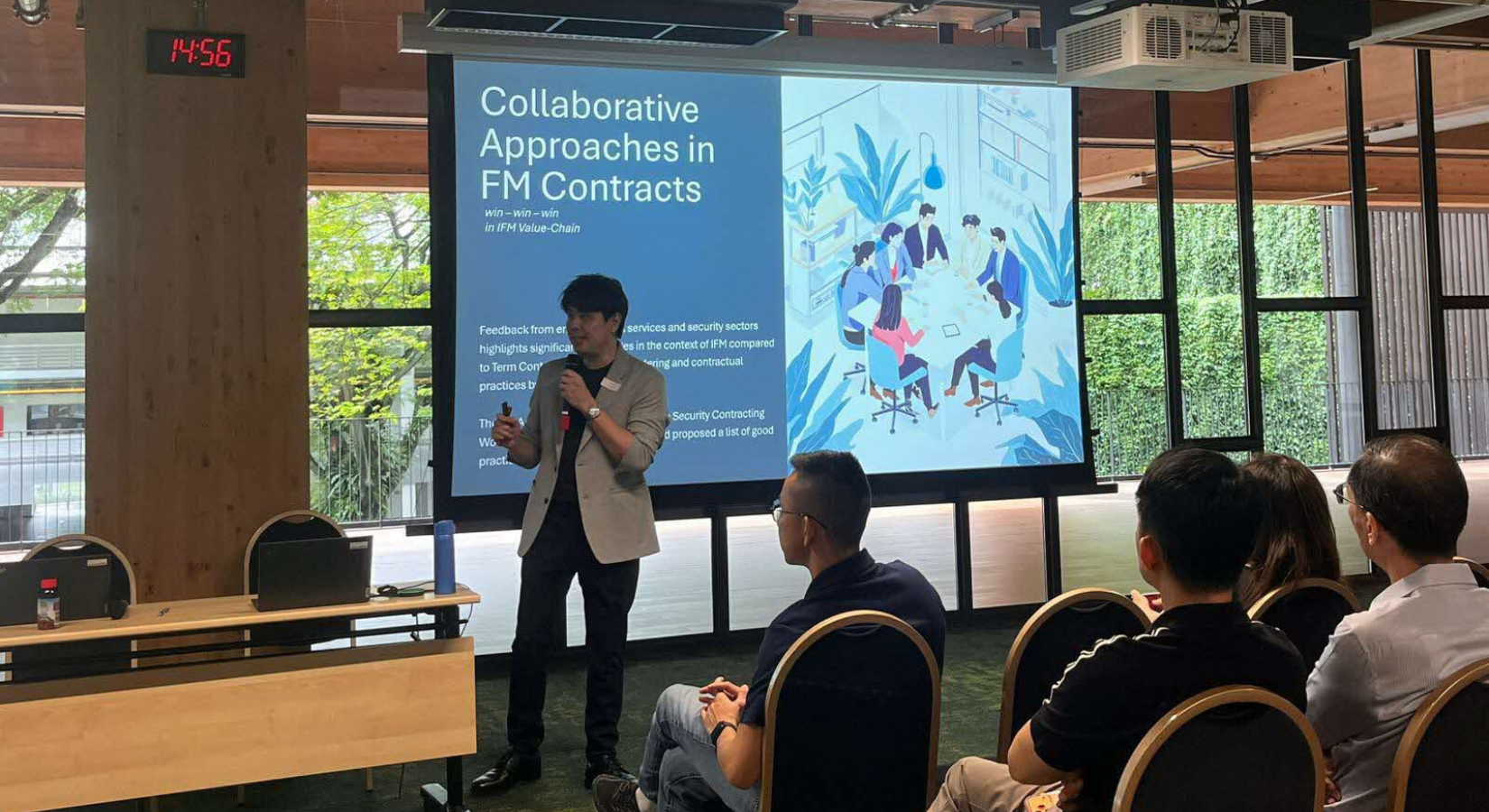
In summary, across the public sector, similar practices have helped agencies and vendors move from transactional to collaborative relationships. Procurement frameworks grounded in shared outcomes and transparent evaluation have delivered measurable savings and productivity gains.
In Singapore’s context, these practices echo broader transformation efforts in Smart FM, GreenGov.SG and outcome-based contracting. Agencies are learning to define results in user terms, to manage by data rather than intuition and to sustain performance through partnership. Vendors are likewise encouraged to invest in analytics and sustainability expertise to drive for higher-value FM.