
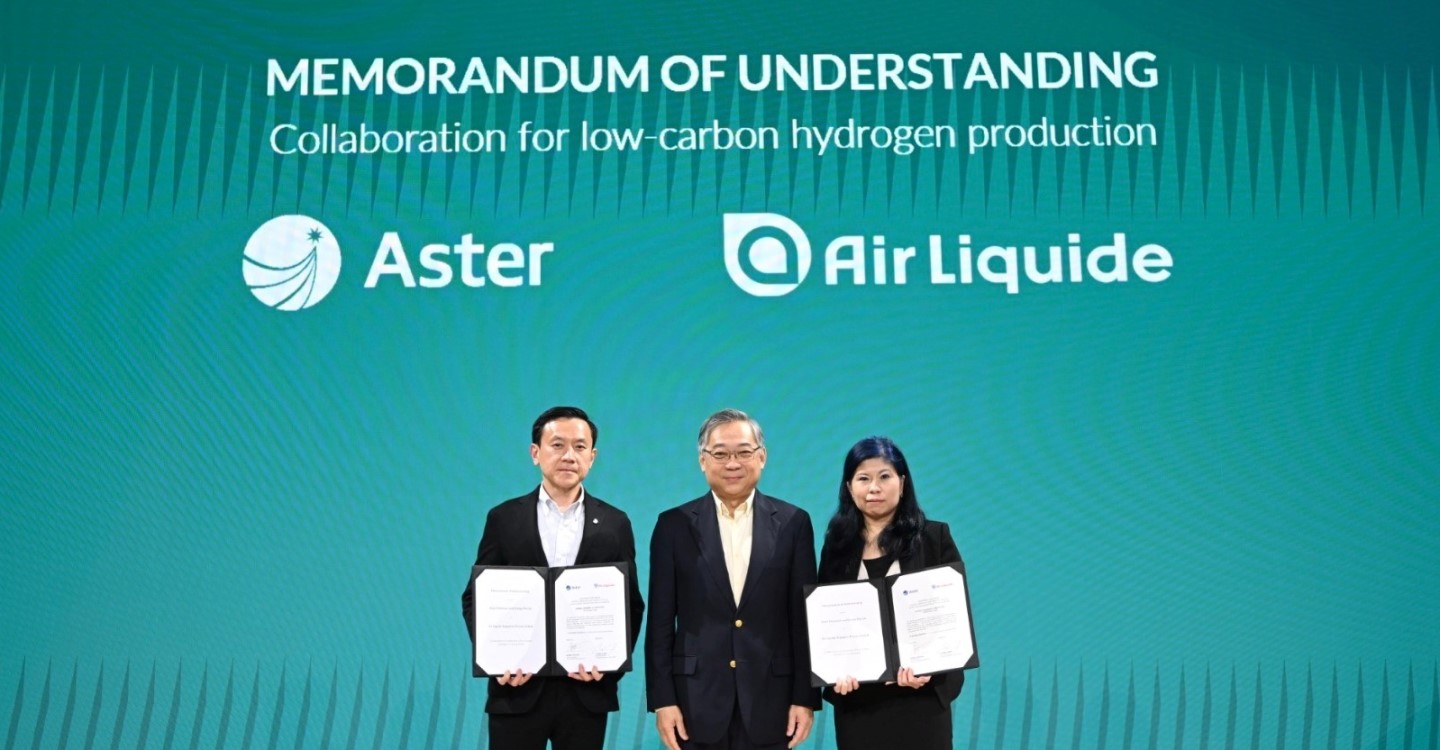
MOU between Aster and Air Liquide
Under the MOU, Aster and Air Liquide will collaborate on the production of low-carbon hydrogen:
i. Air Liquide will provide its proprietary Auto-Thermal Reformer (ATR) technology with integrated carbon capture capabilities
ii. Aster will utilise its expertise in integrated refinery and petrochemical infrastructure to harness low-carbon hydrogen
This partnership to develop low-carbon hydrogen on Jurong Island will be the first-of-its-kind in Singapore
Learn more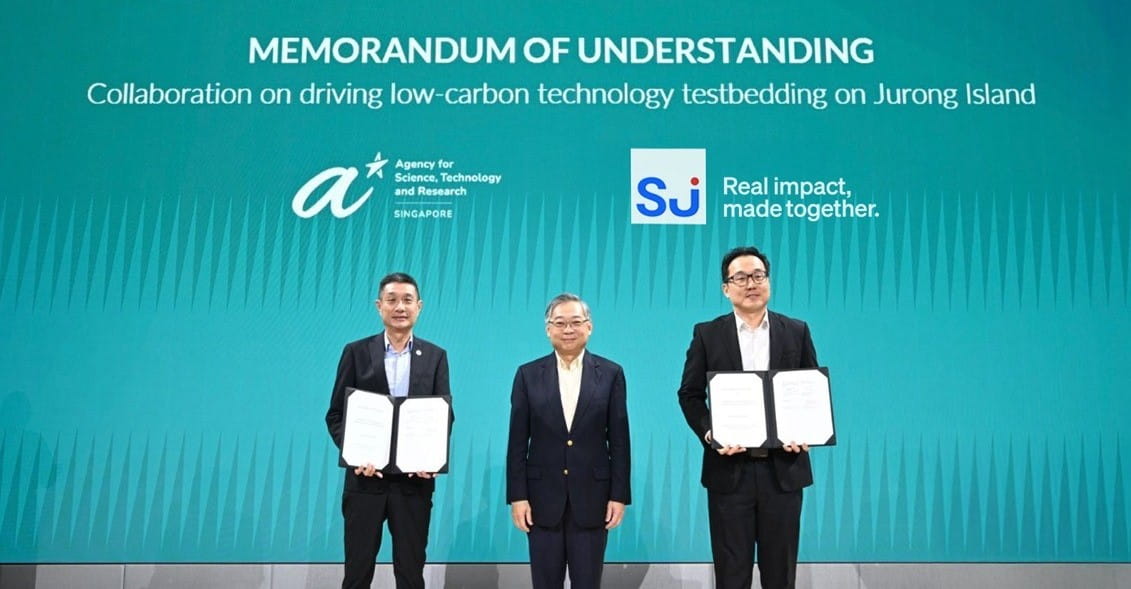
MOU between the Institute of Sustainability for Chemicals, Energy and Environment (ISCE²) of the Agency for Science, Technology and Research (A*STAR) and Surbana Jurong (SJ Group)
Under the MOU, ISCE2 and SJ Group will collaborate on driving low-carbon technology testbedding on Jurong Island:
i. ISCE2 will identify and develop novel technologies that can be scaled up commercially
ii. Surbana Jurong will provide engineering and project management expertise to support the scale-up of low-carbon technologies
iii. Surbana Jurong and ISCE2 to jointly engage with local and overseas partners to develop low-carbon technologies including piloting at the LCT3.
Learn more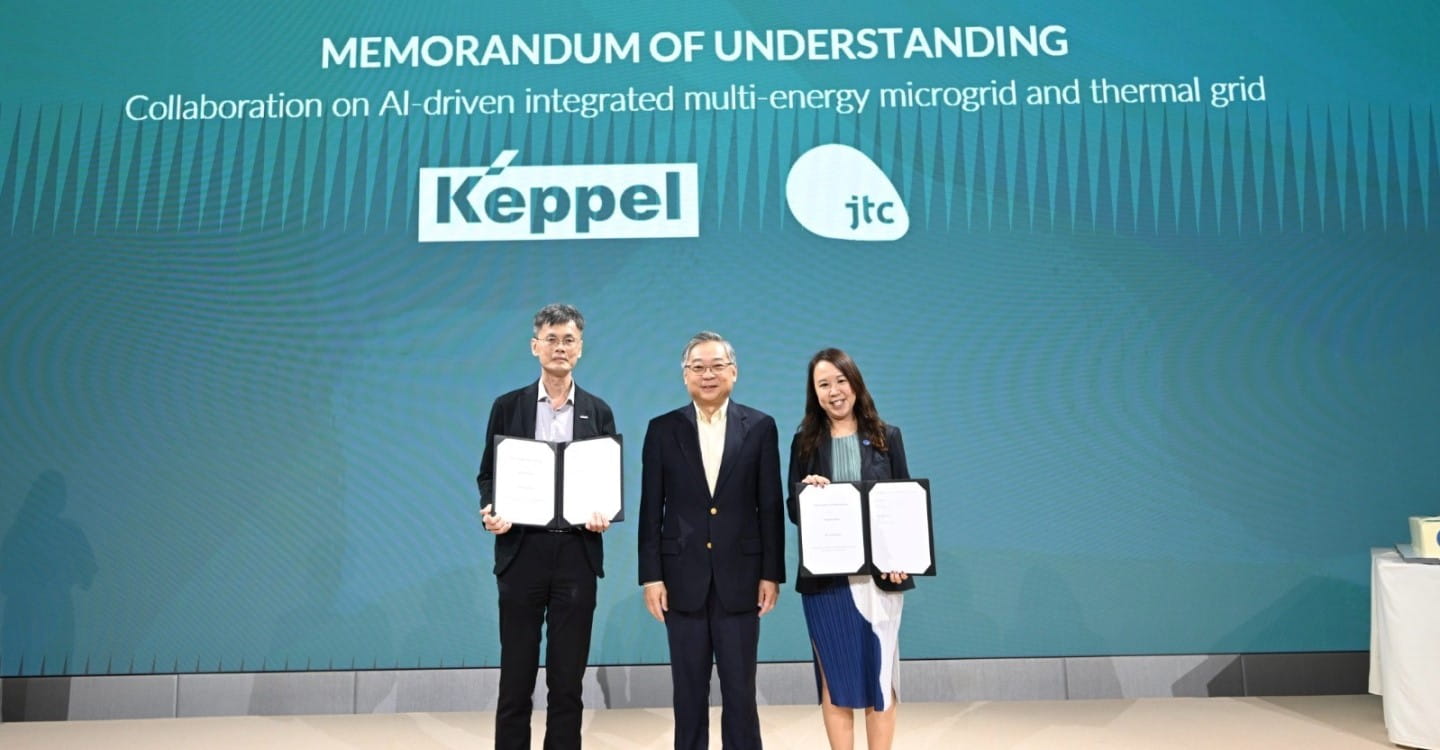
MOU between JTC and Keppel Ltd
Under the MOU, JTC and Keppel will collaborate on AI-driven integrated multi-energy microgrid and thermal grid
i. Integrated Low-Carbon District Energy and Thermal Grid Infrastructure: Joint study and pilot of district-level energy and thermal infrastructure to enhance efficiency and resilience across Jurong Island, by exploring shared cooling, thermal storage, waste-heat utilisation and advanced optimisation platforms
ii. Smart Microgrid Testbeds and Regulatory Sandbox: These initiatives will test new solutions such as multi-energy integration, advanced grid technologies and energy storage systems to enhance flexibility, reliability and renewable-energy adoption
iii. AI-Driven Digital Energy Layer: Collaborate to study the development of an AI-powered platform that predicts energy needs and optimises thermal and electrical systems across Jurong Island
iv. Energy-as-a-Service (EaaS) Models: Exploration of a unified, multi-energy EaaS model that integrates the above initiatives to deliver higher energy efficiency and greater operational resilience
Learn more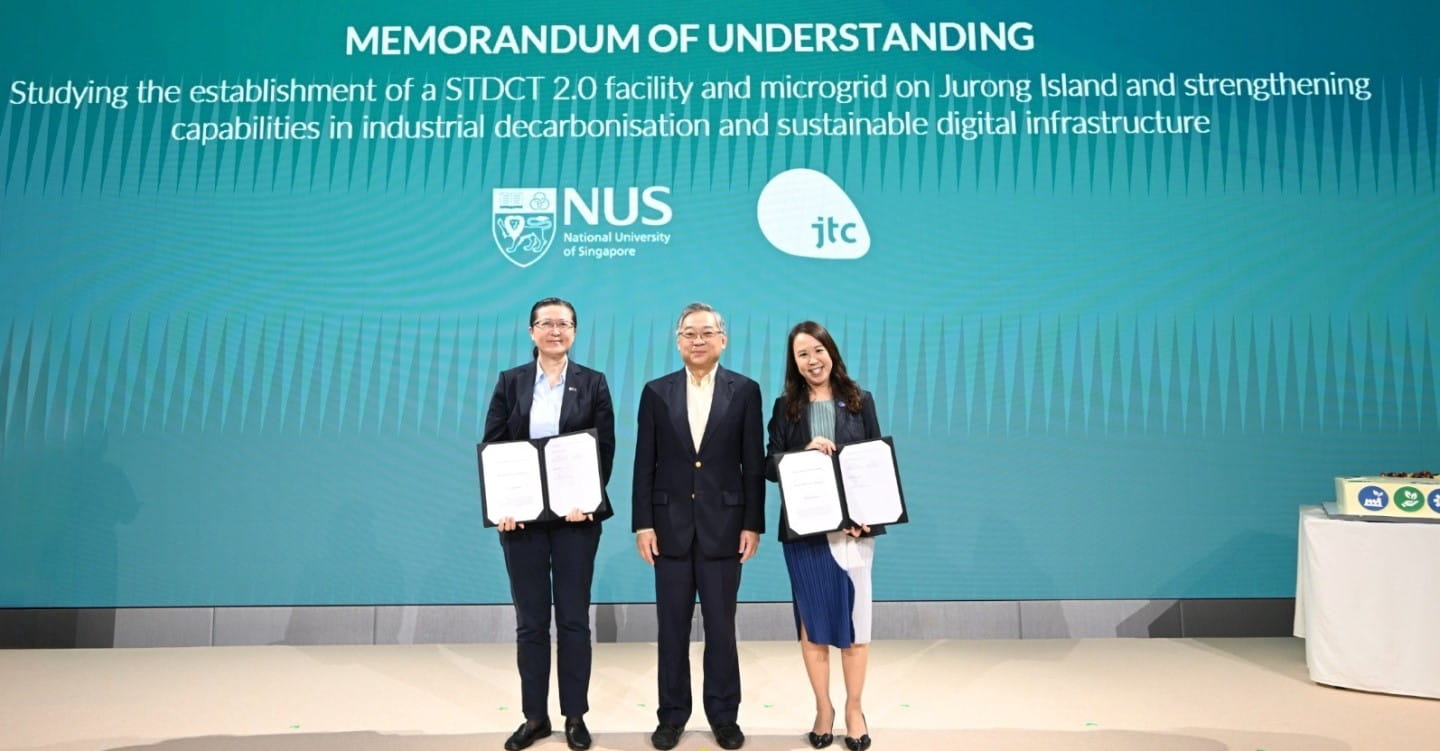
MOU between the National University of Singapore (NUS) and JTC
JTC and NUS will study the establishment of a Sustainable Tropical Data Centre Testbed 2.0 (STDCT 2.0) facility and microgrid on Jurong Island, and strengthening capabilities in industrial decarbonisation and sustainable digital infrastructure
i. AI-Influenced Data Centre Infrastructure: Developing next-gen data centre infrastructure that uses AI to optimise energy and water usage, reducing environmental impact
ii. Integration of Low Carbon Energy Solutions: Exploring the deployment of new energies (solar, hydrogen, biofuels, fuel cells), integrated through smart microgrids and virtual power plants to create a sustainable energy ecosystem
iii. Innovations in Cooling and Power Distribution: Advancements in cooling technologies, power distribution systems, energy storage solutions and circular practices. These are designed to enhance efficiency and lower carbon emissions
iv. Leveraging Jurong Island as testbed for Emerging Technologies: Jurong Island as a platform for startups and global technology providers to test transformative technologies
v.Talent Development for Future Infrastructure: Development of a skilled workforce through specialised courses, training programmes, and internships
Learn more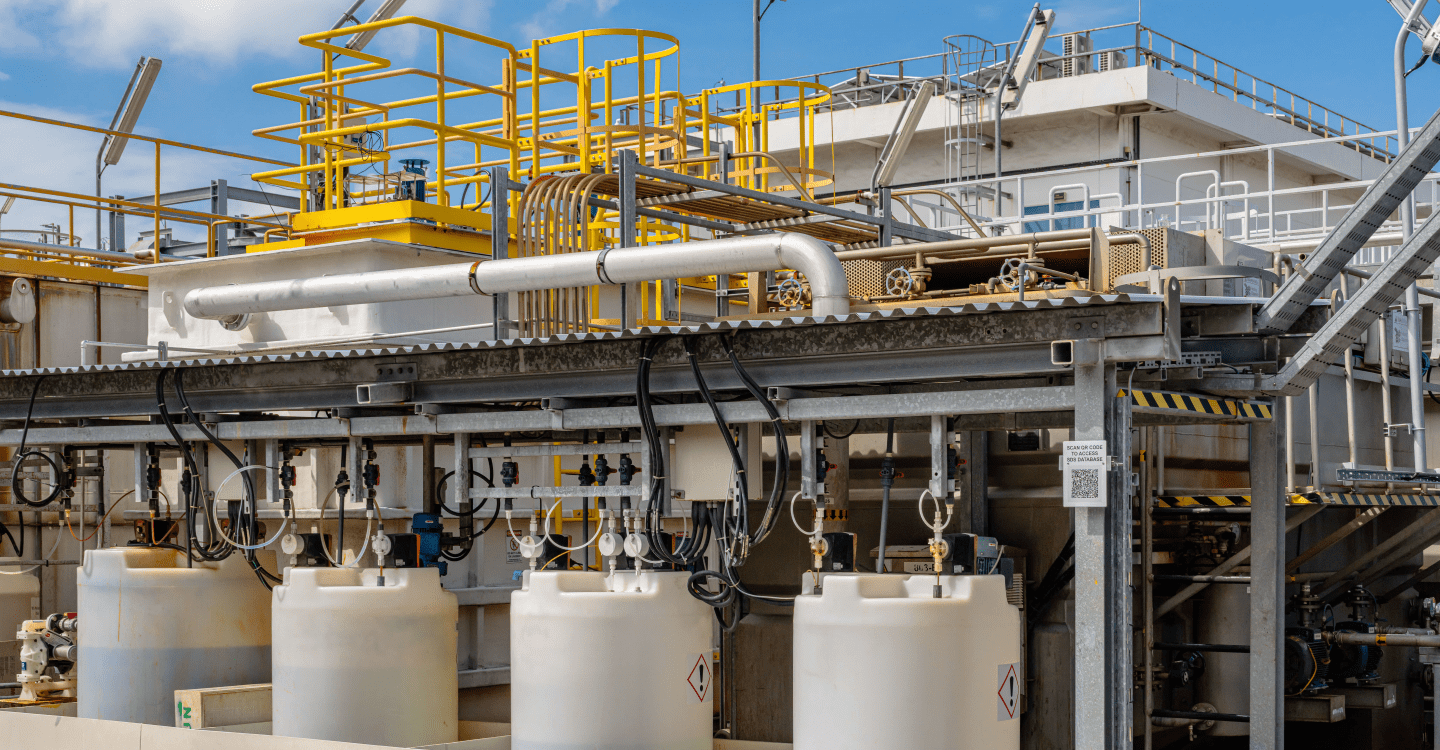
Croda Singapore and NanoSun
Croda Singapore and NanoSun, a spin-off from Nanyang Technological University, are partnering to build an advanced wastewater treatment facility at Croda’s manufacturing site on Jurong Island.
The full-scale plant will use NanoSun’s innovative water purification technology to treat and reuse high-strength wastewater, which makes up about a quarter of Croda’s total output and currently requires external processing. The wastewater treatment plant reduces Croda’s dependence on freshwater sources and can lower carbon emissions by 25%.
This collaboration follows a successful pilot under the Jurong Island Innovation Challenge (JIIC), an initiative by JTC and Enterprise Singapore, launched in August 2021, marking a significant transition from testing to full-scale implementation.
IHI Corporation, Agency for Science, Technology and Research
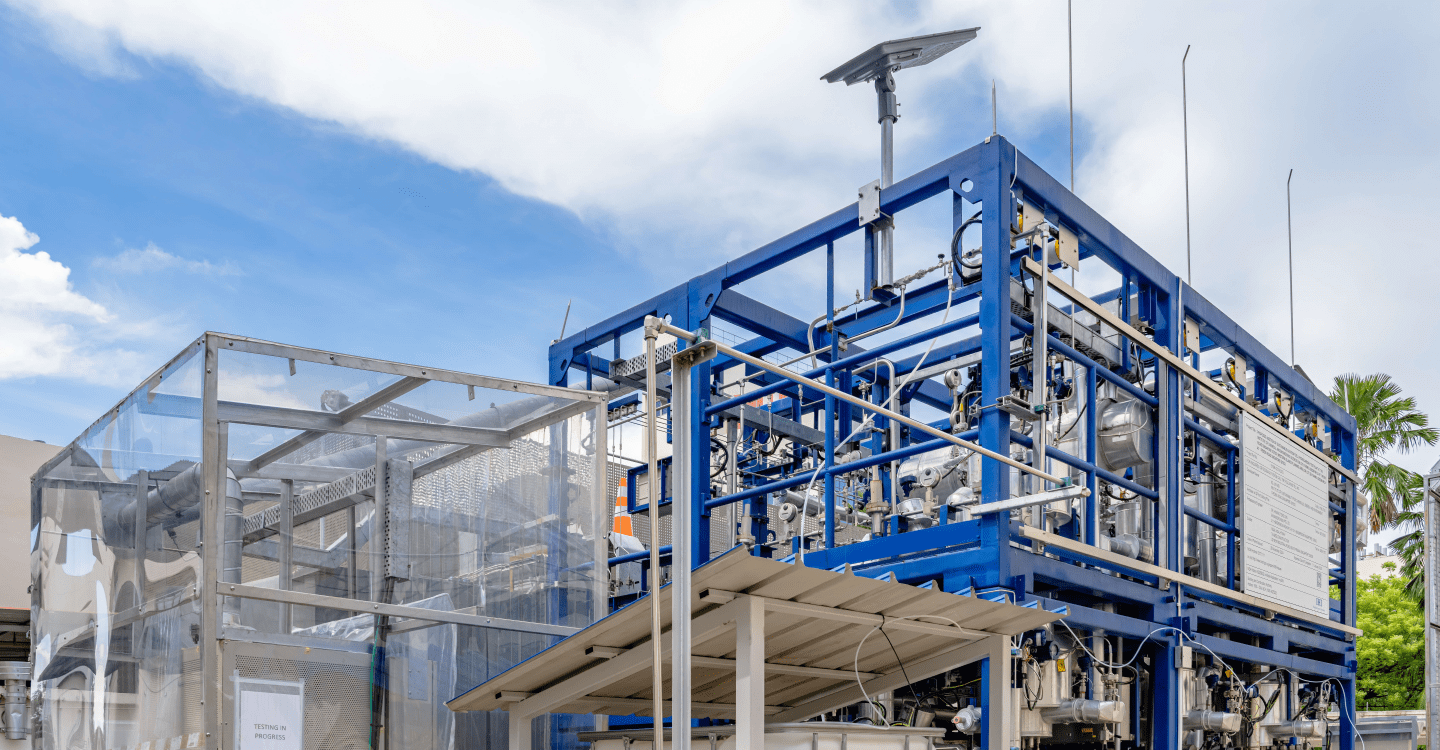
IHI Corporation and A*STAR Institute of Sustainability for Chemicals, Energy and Environment (A*STAR ISCE²) are collaborating on a pilot-scale project that converts captured carbon dioxide and hydrogen into sustainable aviation fuel (SAF)-range hydrocarbons. The process uses a direct catalytic reaction that produces liquid hydrocarbons in a single step, offering potential efficiencies compared to conventional multi-step SAF production routes.
The pilot test rig, located on Jurong Island, allows researchers to study the process under industrially relevant conditions and assess its scalability. This collaboration, formalised through a Memorandum of Understanding signed in 2024, supports the global aviation industry’s transition toward net-zero emissions by 2050.
Learn more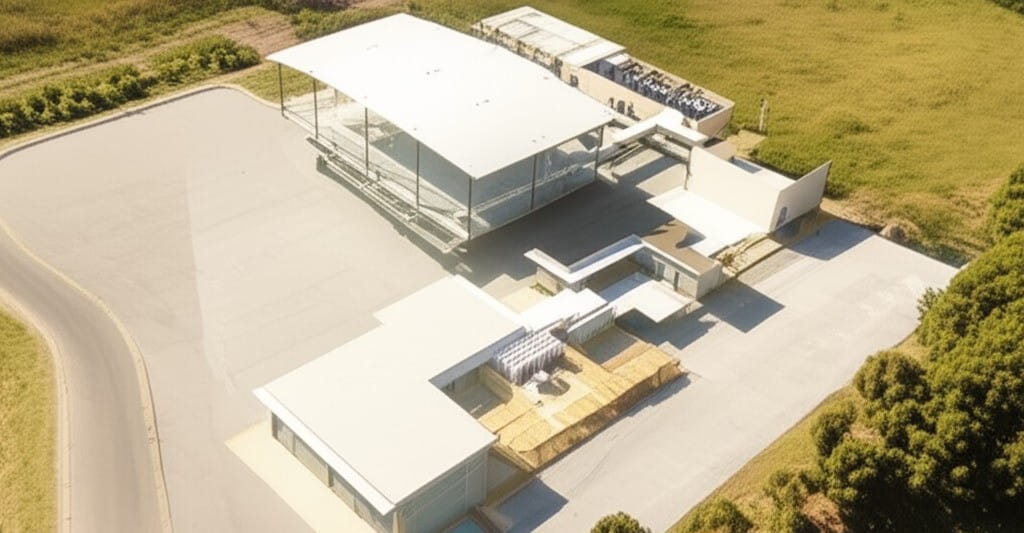
Agency for Science, Technology and Research (A*STAR)
The Low Carbon Technology Translational Testbed (LCT3) will be established on Jurong Island to support the testing and scale-up of emerging low-carbon technologies in the areas of carbon capture and utilisation, and low-carbon hydrogen production processes.
Designed as a national pilot-scale facility, LCT3 will enable companies and researchers to validate technologies under realistic industrial conditions, including high-pressure and high-temperature operations, before larger-scale deployment. It will feature modular, plug-and-play equipment that can be configured for different projects and process requirements.
By bridging laboratory research and industrial implementation, LCT3 will help accelerate the translation of low-carbon innovations into deployable solutions for Singapore's energy and chemicals sector.